
D'Angelo's Deep Freedom

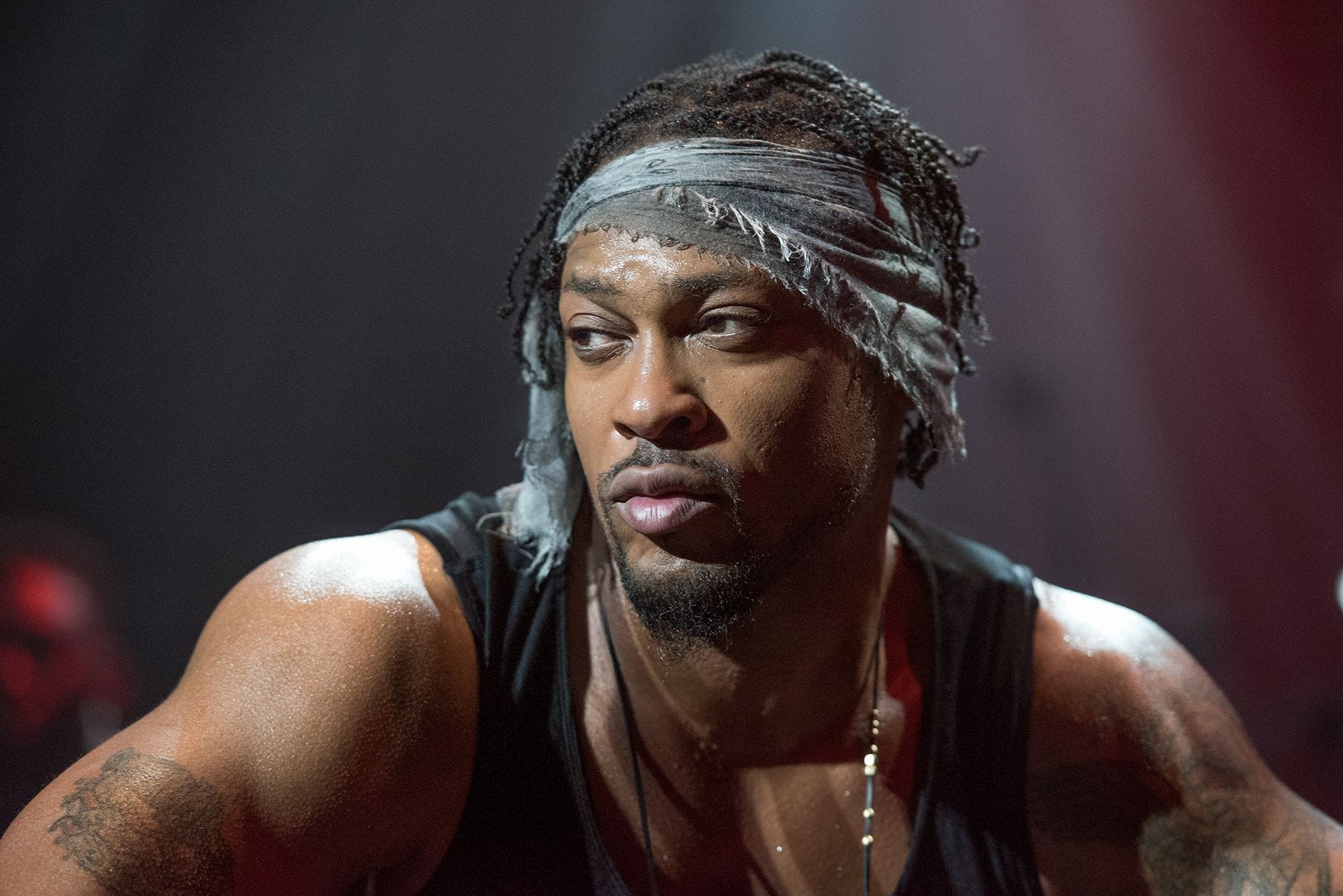
11 years ago I climbed into my Black 2000 Honda Civic and plugged my phone into the radio. This was in Edgecombe county in Eastern North Carolina, on the other side of my first week of BOLD. I was completely broken open- so much of the possibility of Black love and Black life reawakened in me that week. I remember being kind of a blubbery mess, laughing to myself about the unforgettable moments of the week and also feeling excited to finally have time to listen to D’Angelo’s third studio album, Black Messiah. All these years later, that album, his music and his life reverberate.
D’Angelo was a disciple of Black music and a radiant example of Black life. He had a masterful ability, like Beethoven before him, to weave preceding musical traditions into something altogether vibrant and new. He gave rise to the neo-soul movement, (a label he long rejected; he insisted he made Black music!) grew up in the capitol of the old Confederacy and descended from a Pentecostal minister. He was a child prodigy who played piano at a young age and who won talent show contests at Harlem’s Apollo Theater as a young teenager. His 1995 debut album was Brown Sugar, a weaving of the silky smoothness of soul and the audacity of a hip-hop. He hit a creative wall until his first childs birth, which led to his 2000 second studio album Voodoo, a reflection on sex, faith and fatherhood. D’Angelo’s popularity skyrocketed almost overnight, owing yes to his dazzling and electric creativity but also because of his infamous “Untitled (How Does It Feel)” music video. He felt hyper-sexualized and overwhelmed. The temptations of addiction and depression led to his near total disappearance from cultural life. He would return in 2014 with his third and final studio album Black Messiah, a record he decided to release earlier than anticipated because of the mid-2010’s Black-led insurgency against white terrorism and police lynchings. D’Angelo passed away just last year.
D’Angelo’s legendary contributions to the history of the Black musical tradition live beyond his life and are etched into the fabric of the Black cultural experience. But in that moment as I sped away from the BOLD maroonage, I remember playing ‘Till Its Done (Tutu)’ and weeping. I wept because I had been broken open by the BOLD experience, and I wept because this album spoke with a ferocious urgency for a young Black activist like me who saw un-ending streams of horrific deaths and acquittals and deaths and deaths and more deaths on my phone screen. And I wept because like D’Angelo, I struggled with addiction. I too survived a car crash I should not have survived. I too kept Christ as close to my wrenching heart as my feeble, shaking hands would allow.
When I learned he passed away last fall, I wept. I wept because I had at that point gotten new perspective on my addictions and finally decided to heal my body from the vicious car accident from over a decade ago through somatics practice, rememergence discharge and rolfing work. I wept because D’Angelos life was a reminder that I must dare to reach for God. And I wept because too often I forget that God reaches for me too.
D’Angelo had Psalm 23:4 on him at all times. The timeless and infinite audacity of the verse is sometimes overshadowed by its subtle implications. D’Angelos life and legacy reminds us that yes there are valleys in the shadow of death, but every valley implies a mountain, every shadow implies a radiant light, and every death implies a life lived.